



What methylene blue actually is
The myth of methylene blue
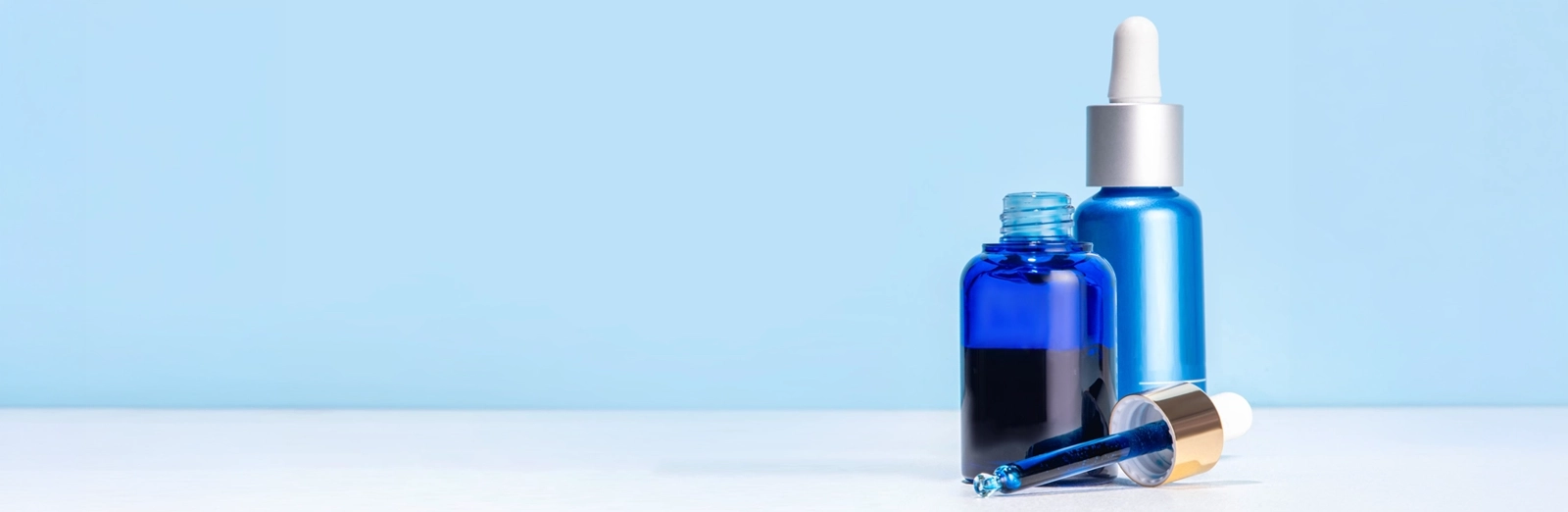
If you scroll through wellness videos, you may spot someone squeezing a vivid blue liquid under their tongue, promising all-day energy and laser focus. Methylene blue, a synthetic dye that's been around since the 1800s, has become the internet's newest “miracle” supplement. But the reality is more complicated, and a lot more cautionary.
Methylene blue is a lab-made dye that was first created in 1876, long used to stain cells under a microscope. In medicine, it has one primary FDA-approved job — to treat methemoglobinemia, a rare disorder in which blood struggles to carry oxygen. It can also be used as a surgical dye and as an antidote for a few specific poisons.
Why it's trending, and why that's a concern
Online, methylene blue is marketed as an energy booster, mood lifter, and brain enhancer, often tied to buzzwords like “mitochondrial support.” But those claims lean on early, unverified research or research conducted on animals, not solid evidence that it actually helps people feel or think any better.
The real risks
Self-dosing an unregulated dye carries genuine dangers:
-

Dangerous drug interactions: Methylene blue is a MAO inhibitor, a type of medication that increases your levels of serotonin. Combining it with other medications that increase serotonin (such as some common antidepressants) can raise these levels too high and trigger a potentially life-threatening reaction called serotonin syndrome.
-
Not safe for everyone: People with a condition called G6PD deficiency can experience a harmful breakdown of red blood cells. In general, methylene blue should also be avoided during pregnancy.
-
Other side effects: Use can lead to elevated blood pressure, diarrhea, and seizures. It can also turn your tongue and urine blue.
The bottom line
Before adding any new supplement, check with your physician or pharmacist. Methylene blue is a legitimate medicine with proper use, but bold online promises don't make a substance safe or effective. Avoid the risks and leave social media trends out of your medicine cabinet.